
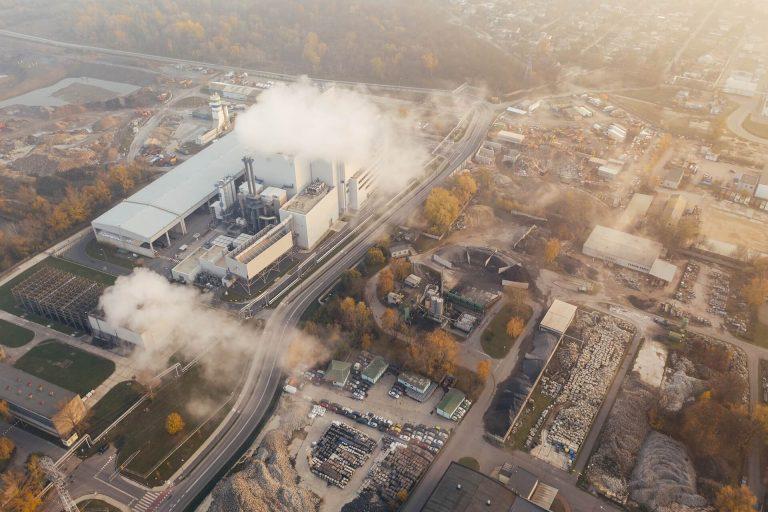
We all know about the gases that are good for our bodies, but toxic gases can be life-threatening if we are exposed to too much of them. Very few people know which gases are toxic or how they affect our bodies. Today, PICO has put all this information together for you. Let’s take a look.
5 Hazardous Gases You Should Watch Out For
- Carbon monoxide
This toxic gas is very close to home. Carbon monoxide is colorless and odorless. It mostly comes from engines with abnormal combustion and is a toxic gas commonly released by factories. That’s why many environmental agencies campaign against sleeping in a car with the air conditioning running: carbon monoxide from the car’s exhaust pipe can leak into the cabin and become life-threatening. Exposure to small amounts of carbon monoxide causes headaches, nausea, and vomiting, while exposure to large amounts can cause unconsciousness and death. - Hydrogen cyanide
This gas is even more dangerous than carbon monoxide. At a concentration of 100 ppm in the air, it can cause unconsciousness in those who inhale it and may cause death within just 30–60 minutes. Hydrogen cyanide is produced by burning nitrogen-containing materials such as plastics, rubber, fibers, wool, animal hides, wood, or fabric. If these burn in an enclosed space, inside a building, or in a confined area, inhaling the gas can cause unconsciousness, seizures, and death within just 5 minutes. Exposure to small amounts can cause dizziness, rapid breathing, vomiting, facial flushing, headaches, and a rapid pulse. - Hydrogen sulfide (rotten egg gas)
Hydrogen sulfide, or rotten egg gas, is produced in industrial manufacturing, especially in tanneries, glue factories, and sugar mills. It also forms in wastewater, stagnant water, and filth. This gas is highly flammable and can cause fires. Sudden exposure to large amounts can cause nausea and breathing difficulties due to oxygen deprivation, and heavy exposure can be fatal. - Tear gas (lachrymator)
Tear gas, or chloroacetophenone, is used around the world to disperse crowds. It affects the nerves of the eyes, causing burning pain and, as the name suggests, streaming tears. At high concentrations in the air, it can cause pulmonary edema and may even be fatal. The best first aid is to move affected people away from the area with the gas. If it gets on the skin, wash immediately with soap and water. If the eyes swell or tears won’t stop, rinse the eyes with 2% sodium bicarbonate to relieve the symptoms. - Ammonia
Ammonia is a gas we all know well. We often sniff ammonia when we feel tired, exhausted, or faint, and inhaling the right amount helps relieve dizziness. However, inhaling ammonia for long periods can be toxic. Ammonia is also produced by industrial processes, such as charcoal kilns, tanneries, and sugar mills. Moderate exposure causes sneezing, watery eyes, a sore throat, coughing with phlegm, choking, breathing difficulties, and hoarseness, while high concentrations can cause unconsciousness and death. If you work in a factory, you have no way of knowing whether toxic gas is leaking, so you need a gas meter or gas detector to detect toxic gases that could endanger your life. Visit the PICO website to ask about gas meters and gas detectors, how they work, and which gases they can detect.
Posted: Wednesday, February 26, 2020