
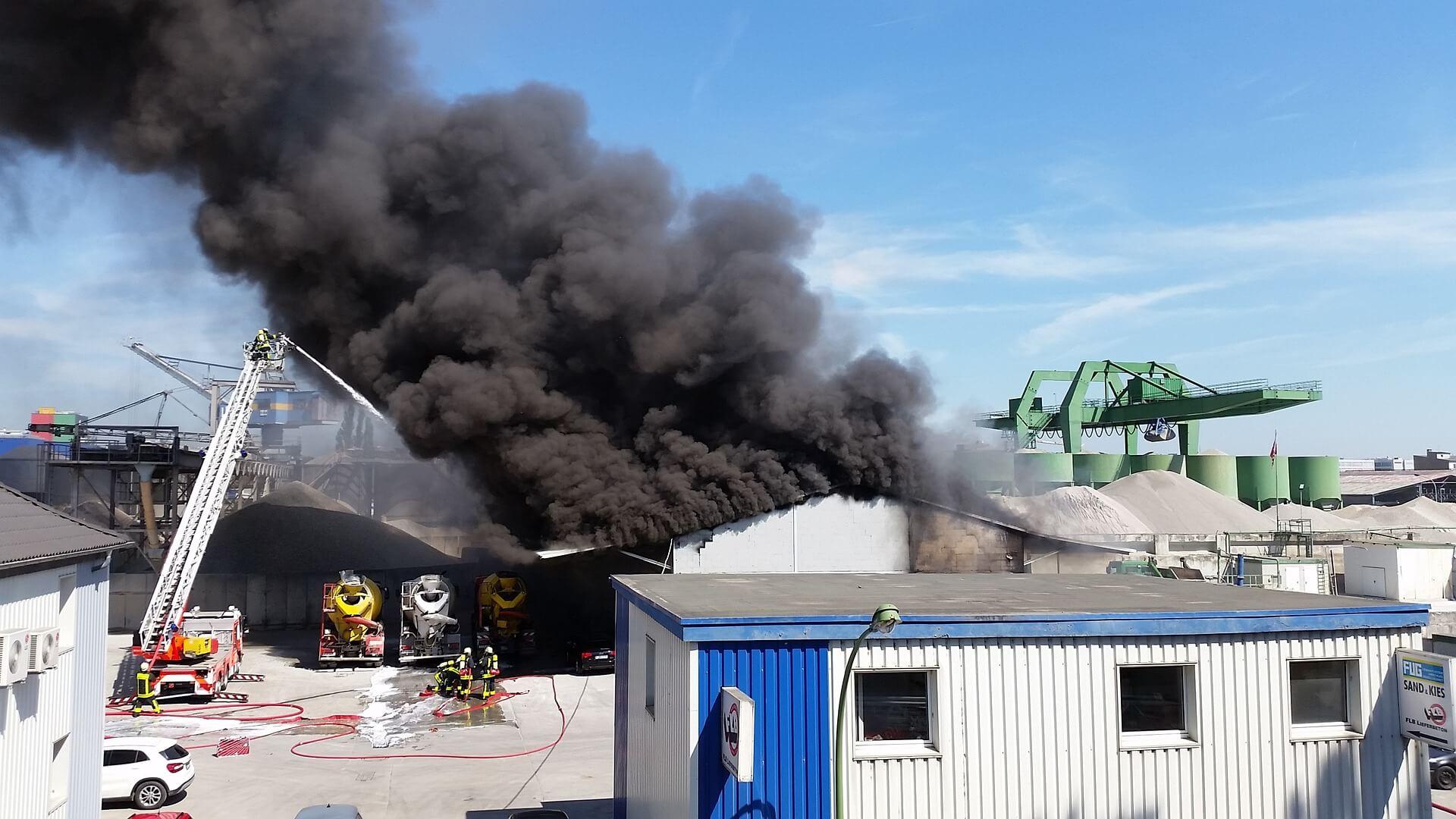
There’s no denying that oxygen is essential in industry. Some factories need oxygen to run their machinery, but if something goes wrong with oxygen, it can create hazards in the factory. You therefore need to be careful and prioritize safety, because if you don’t pay attention, you could face the following problems.
Oxygen Hazards You Need to Watch Out For!
Although oxygen is essential for our bodies and is used in large quantities in industrial plants and hospitals, it can also be deadly. Oxygen hazards can arise from the following factors:
- Cold hazards
Liquid oxygen has a boiling point as low as -183°C at atmospheric pressure. If liquid oxygen comes into contact with the body, the injury is similar to a burn or scald, with severity depending on the temperature. Another hazard is touching extremely cold containers or pipes used to store or transport liquid oxygen. Skin that touches them will stick firmly to the container or pipe, much like putting your hand into a freezer compartment, and if you pull away quickly, the frozen flesh and skin may tear off immediately. - Fire or explosion hazards
Although oxygen itself is not flammable, it can support combustion when other gases or ignition sources are present. How quickly something burns depends on the amount of oxygen, the temperature, and the pressure. Oxygen-related fires usually involve one of two situations: increased oxygen levels in the air due to equipment leaks, or the use of materials that are incompatible with oxygen. - Pressure hazards
Liquid oxygen is much denser than ordinary gas, so it takes up very little space when stored in containers, and large quantities can be stored and transported to users. However, if there is a problem with the equipment, container, or oxygen tank, pressurized oxygen may leak, which can cause an explosion or fire.
How to Prevent Oxygen Hazards
- Oxygen explosions
To prevent oxygen explosions, we recommend using spring-operated safety relief valves, which open to vent gas and reduce pressure when it reaches the set point, opening and closing through the action of the spring and pressure. - Avoid direct contact with oxygen
If you are in an environment with liquid oxygen, which has a boiling point as low as -183°C, never touch containers holding liquid oxygen. You should also wear protective clothing in case liquid oxygen leaks and puts you at risk. - Use an oxygen gas meter
If you need to work in an environment with a lot of oxygen, don’t forget to use an oxygen gas meter in your workplace for safety. This instrument measures oxygen levels and helps you check whether oxygen is leaking anywhere.
Although oxygen is essential for the body and for industry, if you use it incorrectly or carelessly, it can turn against you. So don’t forget to protect yourself from oxygen hazards, and remember to buy an oxygen gas meter from PICO to monitor oxygen in your workplace or industrial plant for your safety.
Posted: Wednesday, February 26, 2020