

Water is a resource with a wide range of uses and one of the most important resources for life, whether in households, industrial plants, or agriculture. Water quality testing with water quality meters is therefore essential for understanding the properties and purity of water before it is used for different purposes.
In this article, we explain what water quality testing is, its benefits, and the parameters and methods used to test water quality.
Table of Contents
- What Is Water Quality Testing?
- What Are the Benefits of Water Quality Testing?
- Water Quality Testing Methods
- Parameters Used in Water Quality Testing
- Summary: Water Quality Testing
What Is Water Quality Testing?
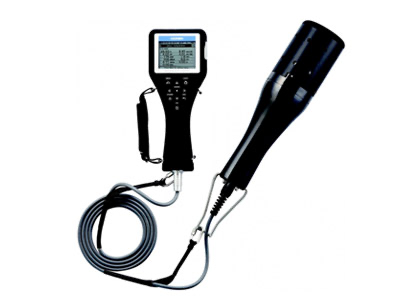
Image credit: https://pico.co.th/wp-content/uploads/2023/01/h-50_b.jpg
Water quality testing is the process of measuring the physical, chemical, and biological properties of water to determine whether it is suitable for its intended use, such as drinking, agriculture, or irrigation. Water quality can be tested in several ways, depending on the parameters being measured and the level of accuracy required, for example:
- Physical testing: Measures the physical properties of water, such as temperature, color, turbidity, and conductivity.
- Chemical testing: Measures the chemical properties of water, such as pH (acidity/alkalinity), nitrate, and phosphate levels.
- Biological testing: Measures the biological properties of water, such as testing for bacteria, algae, or protozoa.
What Are the Benefits of Water Quality Testing?
Now that we understand what water quality testing is, let’s look at its benefits.
Understanding the properties of water
Water quality testing helps us understand the properties of water, whether physical, chemical, or biochemical, which sometimes cannot be distinguished with the naked eye.
Identifying impurities in tap water
Testing tap water quality reveals impurities in the water, such as heavy metals or chemicals. Tap water testing is essential for keeping water quality under control so it is fit for consumption.
Analyzing the sources of water pollution
Analyzing the quality of water from natural sources helps us identify what may be causing water pollution and where its effects are coming from.
Protecting the environment
Finally, whether water comes from natural sources or industrial wastewater treatment systems, testing it to ensure it meets standards before it is released into natural waterways helps reduce the impact of water pollution on the environment. It also makes us aware of the potential impacts when natural water sources show abnormal quality results.
Water Quality Testing Methods
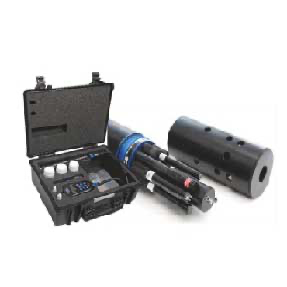
Image credit: https://pico.co.th/wp-content/uploads/2023/01/prod-prod-AQUAREAD-2.jpg
There are many water quality testing methods, depending on the parameters being measured and the level of accuracy required. They can be divided into three main types:
Physical Testing
The first method is testing the physical properties of water, using the following parameters:
- Temperature: Water temperature affects the amount of dissolved oxygen in the water.
- pH: pH indicates how acidic or alkaline the water is.
- Turbidity: Turbidity indicates the amount of suspended solids in the water.
- Conductivity: Conductivity indicates the amount of dissolved minerals in the water.
Chemical Testing
The second method is testing the chemical properties of water, using the following parameters:
- COD: Chemical oxygen demand (COD) indicates the amount of oxidizable organic matter in the water.
- BOD: Biochemical oxygen demand (BOD) indicates the amount of organic matter that microorganisms in the water can break down.
- Nitrate: Nitrate is a nutrient plants need, but high nitrate levels in water can be harmful to human health.
- Phosphate: Phosphate is a nutrient plants need, but excessive phosphate levels can harm ecosystems.
Biological Testing
The final method is testing the biological properties of water, which involves measuring the quantity and identifying the types of organisms in the water, such as bacteria, algae, phytoplankton, and zooplankton.
Parameters Used in Water Quality Testing
Water quality testing uses different parameters depending on the physical, chemical, and biological properties being tested. The main parameters commonly used are:
-
- pH: Measuring the pH of water measures the amount of hydrogen ions (H+) in the water. A high concentration of H+ makes the water highly acidic, which can affect aquatic life.
- Temperature: Water temperature directly affects aquatic life. Temperatures that are too high or too low can affect oxygen levels in the water and the ability of some organisms to withstand pollutants.
- Conductivity: Conductivity, or electrical conductivity (EC), measures the water’s capacity to conduct electricity, which depends on the amount of ionized solids in the water.
- Hardness: Water hardness depends on the amount of calcium and magnesium dissolved in the water. These two substances determine how hard the water is.
Other parameters commonly used in water quality testing include:
- Total Dissolved Solids (TDS)
- Oxidation Reduction Potential (ORP)
Summary: Water Quality Testing
Water quality testing is the study of the physical, chemical, and biological properties of water. Testing methods can be applied in many situations, from testing water samples from water sources and research on liquid properties to checking chlorine levels in swimming pools to make sure they are suitable for swimming. To measure water quality, we need to understand each parameter used in testing to obtain accurate results that meet the purpose of the test.
If you’re looking for a high-quality, durable water quality meter that tests water accurately, as well as lab equipment and scientific instruments, see our Scientific Instruments Product Catalog and contact us for more details:
Petro-Instruments Co., Ltd. (Head Office)
Address: 7/409 Soi Vibhavadi Rangsit 36, Vibhavadi Rangsit Road, Chatuchak Subdistrict, Chatuchak District, Bangkok 10900, Thailand
Business Hours: Monday–Friday, 8:30 AM–5:30 PM (closed weekends and public holidays)
Tel: (+66)2-939-5711, (+66)2-513-2333
Email: marketing@pico.co.th
Facebook: https://www.facebook.com/Petro.Instruments/