

Electricity is essential for powering the conveniences of modern life. Household appliances such as refrigerators, ovens, televisions, air conditioners, computers, and even mobile phones all need electricity to run. As we all know, electricity has become an increasingly expensive resource, and ordinary consumers like us can do little about it.
Today, however, there is another way to get electricity besides buying it. Households can generate their own power, and a popular way to do this is by installing solar cells, which capture energy from sunlight and convert it into electricity.
In this article, we’ll help you understand solar cells: the types of solar panels, how they work, their advantages and limitations, solar panel prices, and how to install and maintain them. It’s everything you need to know about solar cells, a new clean energy alternative for the modern generation.
Table of Contents
- What Is a Solar Cell?
- How Solar Cells Work
- The 3 Types of Solar Cell Systems
- Benefits of Installing Solar Cells
- Advantages and Limitations of Solar Panels
- What Are the Key Components of a Solar Cell System?
- What to Know Before Installing Solar Panels
- How to Install Solar Panels
- How Much Do Solar Cells Cost?
- Frequently Asked Questions About Solar Cells
- Look to the Future by Installing Solar Cells
What Is a Solar Cell?

A solar cell, also known as a photovoltaic cell, is an electronic device that converts energy from sunlight into electricity. It turns our country’s intense sunshine into electrical power for all kinds of uses, and the electricity produced by solar panels can be used immediately.
Many people may think solar power is out of reach, but this innovation is actually becoming very popular, driven by high electricity bills and the growing trend toward environmental conservation. Installing solar cells puts solar energy, a clean and unlimited resource, to good use, while reducing the amount of electricity drawn from the utility and lowering your electricity bill.
As a result, solar cells have become popular for both households and businesses. They are commonly installed on rooftops, and floating solar farms can also be seen, showing just how popular solar cells have become.
How Solar Cells Work
Put simply, a solar cell converts light energy into electrical energy. In more detail, sunlight strikes the silicon semiconductor on the solar panel, which then generates electricity through the photovoltaic effect.
The process can be summarized as follows:
- The solar cell receives sunlight and converts it into electricity.
- A charge controller regulates the voltage produced, keeping it as 12V direct current.
- An inverter converts the direct current (DC) into alternating current (AC) so it can be used with household electrical appliances.
- The electricity produced can be stored in batteries.
The 3 Types of Solar Cell Systems
When people think of solar cells, they usually picture rows of glass panels. In fact, there are three types of solar cell systems, each working in a different way:
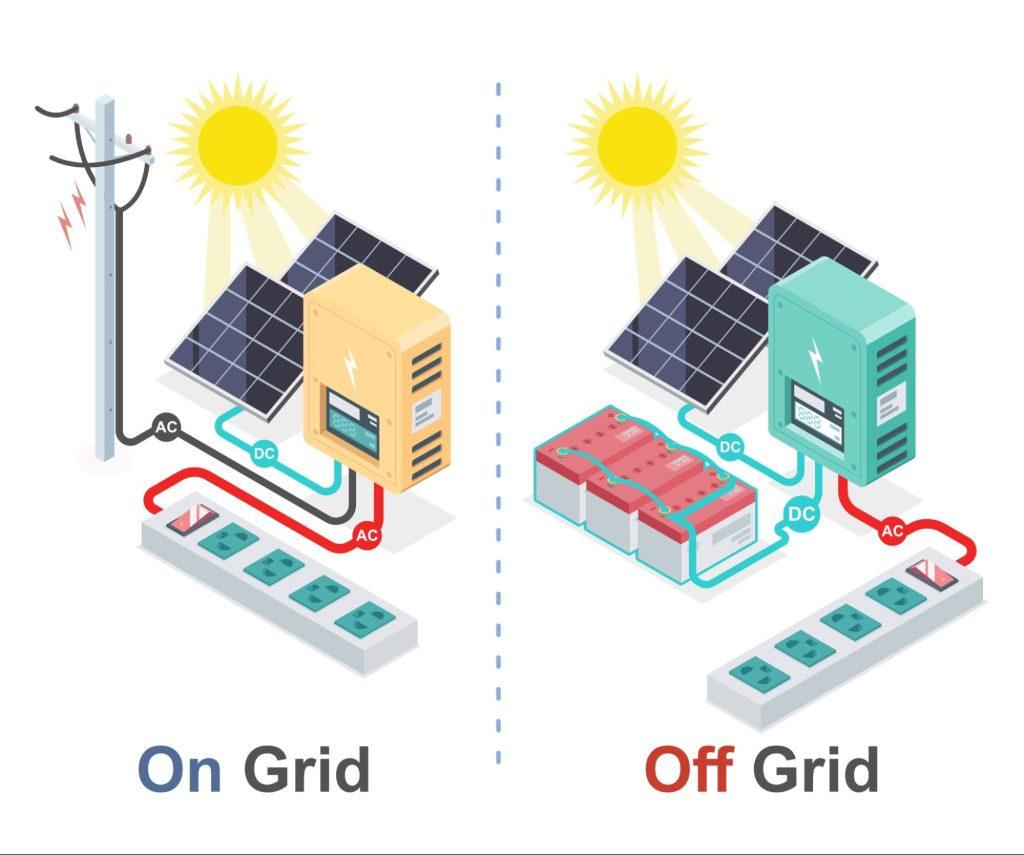
1. Off-Grid Solar Systems
These solar panels are not connected to the Provincial Electricity Authority or Metropolitan Electricity Authority grid. The system generates all its own electricity without relying on the utility. The solar panels produce electricity for use and store the surplus in installed batteries as backup power.
The drawback is that without sunshine, the system may generate less electricity than needed, resulting in an energy shortfall. This can be solved by adding more solar panels so that enough energy can be stored.

2. On-Grid Solar Systems
This type of solar system is connected to the utility grid. If the electricity generated is not enough, power can be drawn from the grid, so on-grid systems do not need batteries for backup. Although more economical than off-grid systems, they still rely on the utility.

3. Hybrid Solar Systems
A hybrid solar system combines on-grid and off-grid setups. It is connected to the utility grid like an on-grid system and has batteries like an off-grid system. During the day, it uses energy from the solar panels, and at night it uses the energy stored in the batteries. If the energy produced is not enough, power can be drawn from the grid instead.
Benefits of Installing Solar Cells
Solar cells are a new innovation that benefits those who install them. Many people have started installing solar cells, and newly built homes and offices often come with solar panels. The benefits of installing solar cells include:
- Solar cells convert solar energy, an inexhaustible resource, into electricity. Conventional fuels such as coal and oil are limited and can run out, are expensive, and damage the atmosphere when burned, while generating electricity from solar energy creates no pollution.
- They save money in the long run. Electricity prices tend to rise, just like other consumer goods, so investing in solar panels and reducing your reliance on the utility can lower your electricity bill and spare you worry whenever you hear that rates are going up.
- Rooftop solar panels not only receive full sunlight but also absorb heat, helping lower the temperature inside your home or building.
- Installing solar cells adds value to your property, helping you sell your home at a higher price.
Advantages and Limitations of Solar Panels
If you have never used solar cells before, you may be wondering whether they are worth it. Let’s look at their advantages and limitations.
Advantages of Solar Cells
- As mentioned above, generating electricity from solar panels uses solar energy and creates no pollution.
- Electricity from solar panels can power all types of electrical appliances, so installing solar panels helps save on electricity bills and allows communities without access to the grid to generate their own power.
- Solar panels are easier to use than you might think. Once installed by a specialist technician, day-to-day use is simple and straightforward.
Limitations of Solar Cells
- Solar panels may not generate enough electricity for a household. If your home has many electrical appliances, there may not be enough power on cloudy days without sufficient sunlight.
- Solar panels are large and need enough space. To compensate for insufficient energy, you may need to install more panels, which in turn requires enough space for installation.
What Are the Key Components of a Solar Cell System?
Before installing a solar system, you also need to know what equipment it includes. Understanding each component will help you better understand how the system works. The key components of a solar system are:
1. Solar Panels
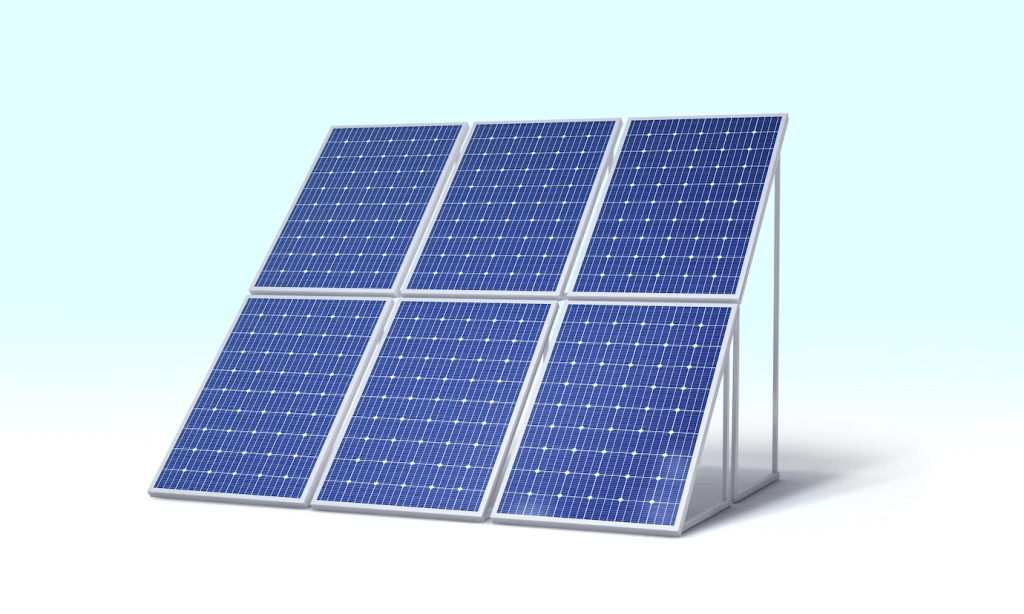
Solar panels are the heart of a solar system. They absorb energy from sunlight and convert it into electricity. They need space for installation, because the size of the panels determines how much solar energy they can absorb. Solar panels can be divided into three types, each with different advantages and disadvantages.
- Monocrystalline Silicon Solar Cells
Advantages: High quality, generating electricity well even on days with little sunlight, with a long service life of 25–40 years.
Disadvantages: Expensive and require regular cleaning, as dirt on the panels affects the amount of electricity produced.
- Polycrystalline Silicon Solar Cells
Advantages: Cheaper than monocrystalline panels and can withstand slightly higher temperatures.
Disadvantages: Lower power generation efficiency than monocrystalline panels and a shorter service life of around 20–25 years.
- Thin Film Solar Cells
Advantages: The cheapest, lightweight, and highly flexible.
Disadvantages: Generate the least electricity and have a short service life. Suitable only for household use, not for industrial applications.
2. Solar Inverter
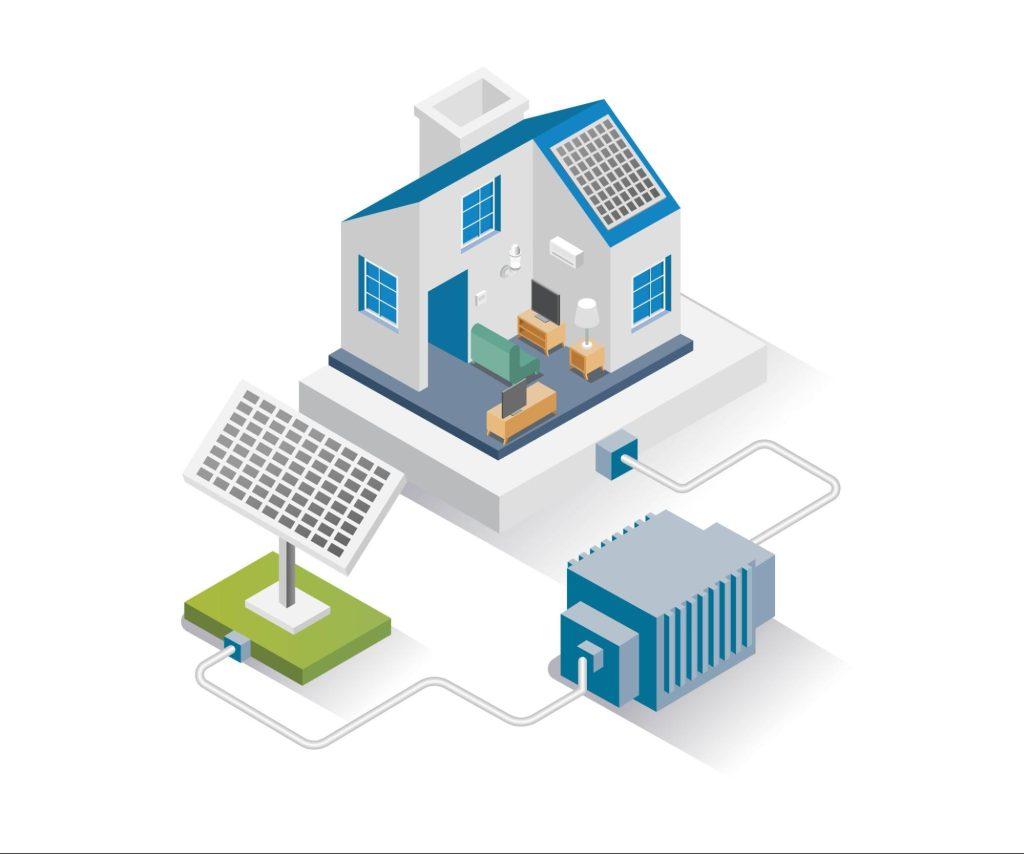
Solar panels produce direct current, which must first be converted into alternating current before it can be used with ordinary electrical appliances. This conversion is the job of the inverter. There are two types of inverters:
- Stand-alone: Inverters used with off-grid solar systems
- Grid-tied: Inverters used with on-grid solar systems
3. Battery
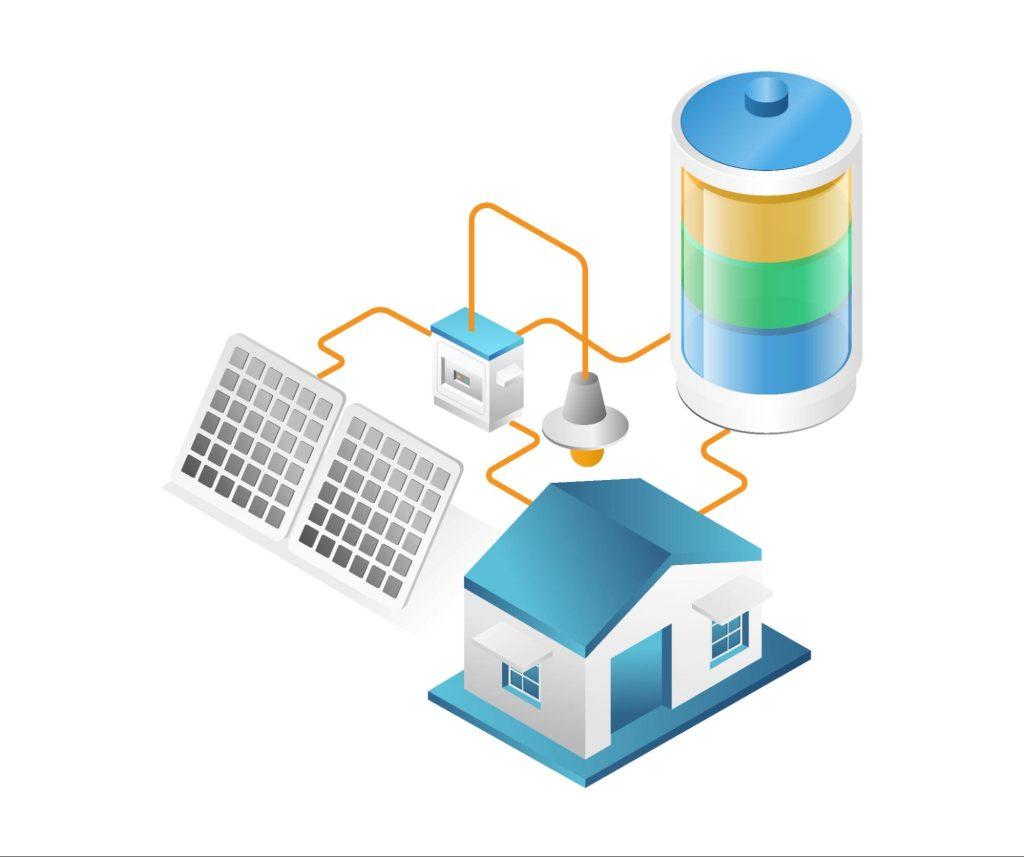
Off-grid solar systems require batteries. Their main function is to store the electricity produced for use when there is no sunlight, ensuring a continuous power supply.
4. Electricity Meter
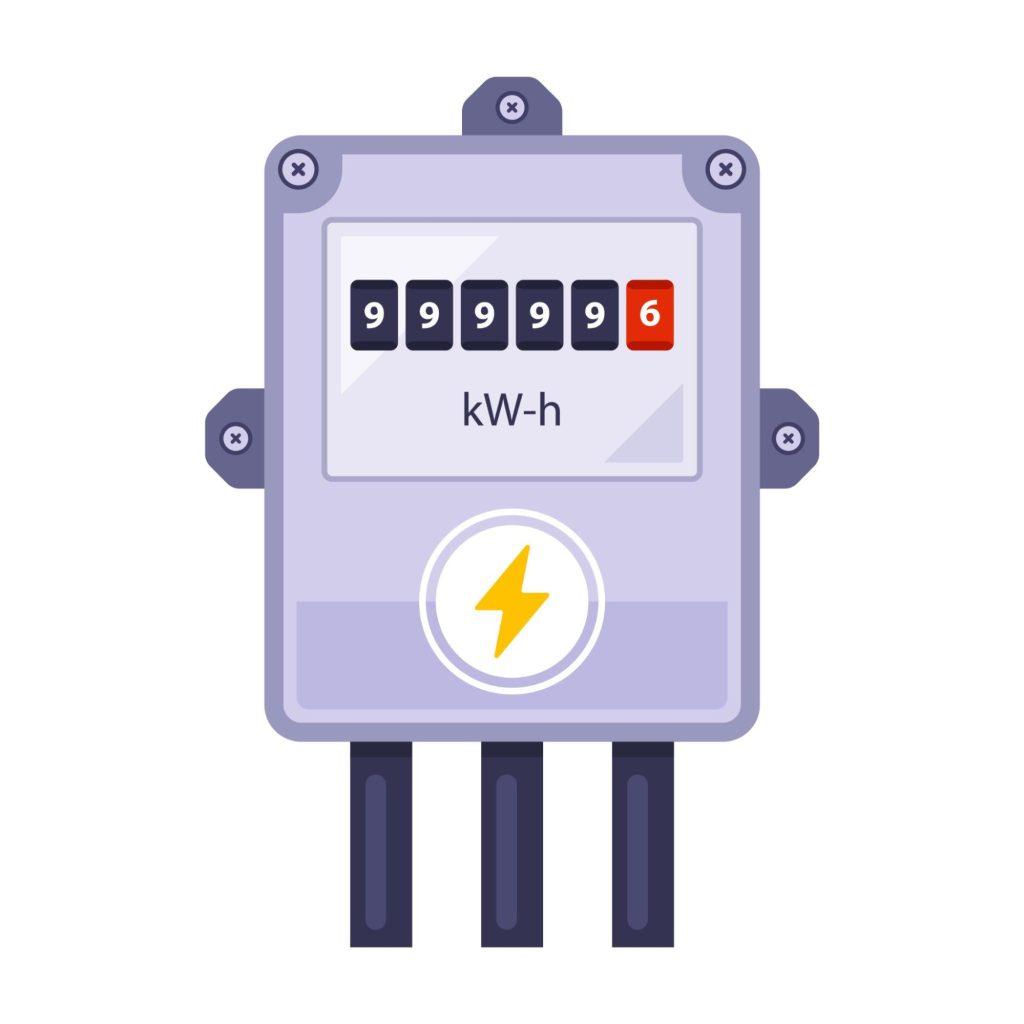
How much electricity do your solar panels generate each day, how much do you use, and how much do you draw from the grid? The electricity meter provides all this information about the power you produce and consume. It is important data that users should know in order to plan and adjust their electricity use appropriately.
What to Know Before Installing Solar Panels
Solar cells offer many benefits, which is why they are so popular. However, if you are interested in solar power, you can’t just install it right away; you need to do your homework first. Here’s what you should know before installing solar panels:
- Check your basic readiness: Find out how much electricity you currently use so you can choose solar panels of the right size. You also need to check the installation area. In Bangkok, where space is limited, panels usually have to be installed on rooftops or roofs, so the roof’s structural strength must be checked, as well as the direction of the sun, so the solar cells receive as much sunlight as possible.
- Choose the right equipment: As mentioned above, there are three types of solar panels with different features and prices, so choose the panels that best meet your needs.
- Choose an installation contractor: Solar panels must be installed by expert technicians, as installation is similar to a home extension. For a quality installation, choose an experienced, skilled technician.
How to Install Solar Panels
Installation starts with finding a suitable area strong enough to support the weight of the solar panels and preparing a supporting structure, such as mounting stands or roof fixings. The solar panels are then installed, followed by the inverter and other equipment. Finally, wiring and conduits are installed to connect the equipment to the home’s electrical system so it is ready to use.
How Much Do Solar Cells Cost?
Now for the part many people want to know: how much does solar installation cost? As an example of a complete solar system installation, here is a package from PICO, a specialist provider of solar installation services. The package includes:
- Solar panels with a capacity of 5.45 kWp (approximately 5,450 watts), which can save an average of about 2,500–3,000 baht per month on electricity
- An inverter
- A free site survey by expert technicians to check installation readiness
- Free handling of the installation permit application with the electricity authority
- Free installation with a 2-year warranty
- Free solar panel cleaning and system check once a year for 2 years
The price is 185,000 baht for a single-phase system and 195,000 baht for a three-phase system. These prices apply to Bangkok and its surrounding provinces only.
Frequently Asked Questions About Solar Cells
1. Do solar cells really save electricity?
Yes, solar cells really do save electricity. Installing solar cells lets you generate your own power and avoid high electricity bills. Although installation can be expensive, it can save you a great deal on electricity in the long run.
2. Can I install solar cells myself?
Solar cells should be installed by expert technicians, because a poorly installed electrical system can be dangerous. You should avoid installing them yourself.
3. How many solar panel tiers are there? Is Tier 1 the best?
As mentioned above, there are three types of solar panels with different features and prices. It’s true that top-quality Tier 1 solar panels can generate a lot of electricity, but they also come at a high price. To decide which tier is best, first assess your monthly electricity usage. If you don’t use a lot of electricity, another tier may suit you better.
Look to the Future by Installing Solar Cells
Solar cells don’t just save their owners money on electricity; they also benefit society as a whole. Global warming and rising pollution are everyone’s problems, and if everyone switched to clean energy, we could help extend the life of our planet.
If you are interested in switching to solar power, whether for your home or your factory, PICO is ready to help. We offer a complete one-stop service, from system design and choosing the right solar cells to installation, warranty, and after-sales service. Contact us at:
- Tel: 02-939-5711
- Email: solar@pico.co.th
- Or contact us via https://www.facebook.com/PICOSmartSolar/